Choosing the right weather window is the single most decisive factor between an unforgettable Himalayan expedition and a cold, rain-soaked retreat. For high-altitude trails originating out of Gangotri — such as Gaumukh-Tapovan, Kedartal, and Nandanvan — trekking is strictly governed by two short, prime windows each year: Pre-Monsoon (May to June) and Post-Monsoon (September to October).
Both seasons offer spectacular mountain views, but their characteristics couldn't be more different. Spring brings leftover winter snow cover, rushing glacial streams, and warmer daytime temperatures. Autumn delivers razor-sharp atmospheric clarity, golden alpine meadows, stable blue skies, and sub-zero night temperatures. In this ground-truth comparison, we break down weather predictability, temperature charts, permit competition, and photography conditions to help you pick your ideal departure.
1. Seasonal Comparison Table
| Season Feature | Pre-Monsoon (May–June) | Post-Monsoon (Sept–Oct) |
|---|---|---|
| Daytime Temp (Tapovan 14,000+ ft) | 10°C to 16°C (Comfortable / Warm) | 6°C to 12°C (Crisp / Cool) |
| Nighttime Temp (Tapovan 14,000+ ft) | -2°C to -5°C | -5°C to -12°C (Sub-Zero Freezing) |
| Snow Coverage on Trail | Moderate to Heavy (Snow bridges & frozen lake rims) | Low to Minimal (Clean rock moraines & blue ice) |
| Atmospheric Clarity / Photography | Clear mornings; slight afternoon haze | Razor-Sharp / Exceptional Astrophotography Window |
| Permit Competition (150 Cap) | Extreme (Sells out 30 days in advance) | Moderate (Steadier slot availability) |
| Crowd & Pilgrim Density | High (Pilgrims at Gangotri & Commercial Teams) | Low to Moderate (Serene, quiet trails) |
| Flora & Landscape Colors | Blooming Rhododendrons & Birch Greenery | Golden Autumn Grasslands & Deep Azure Skies |
2. Climate Profile of Bhagirathi Valley
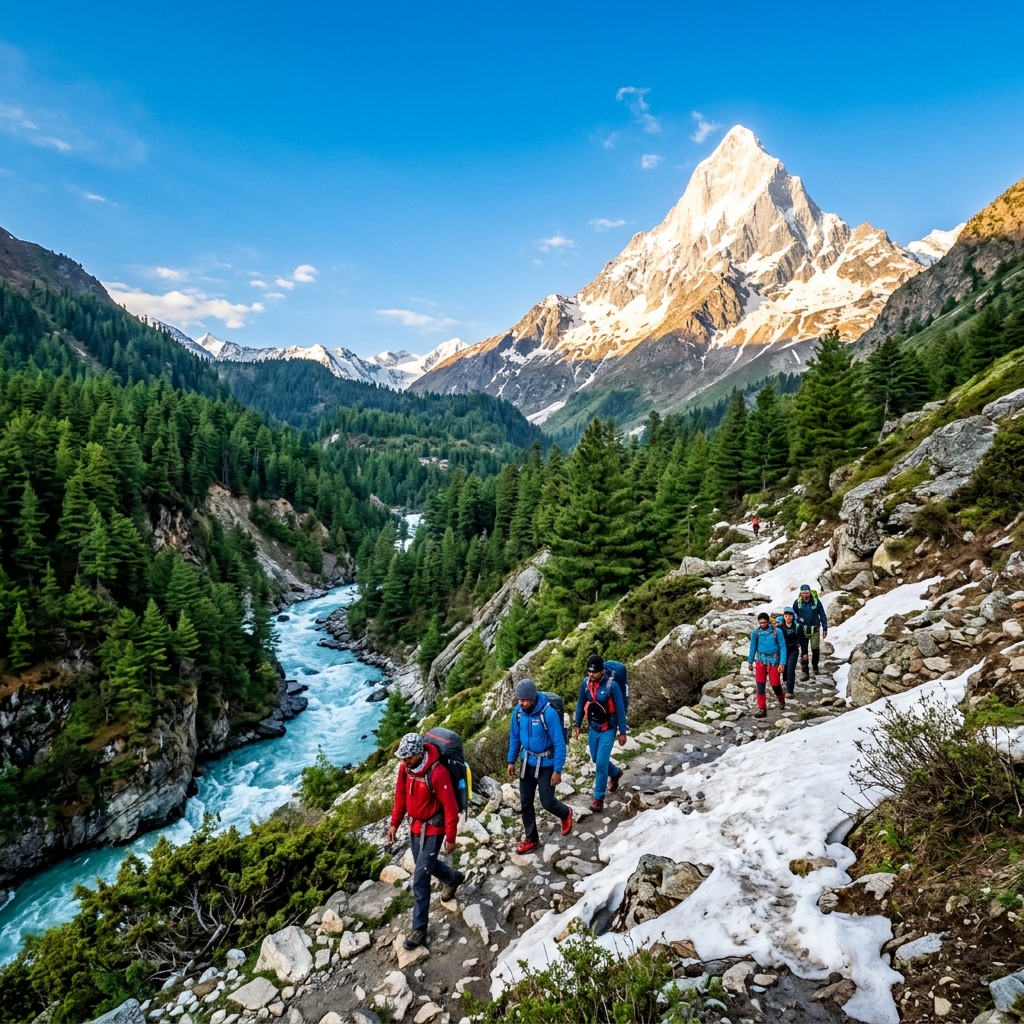
Gangotri sits at an elevation of 3,100 meters (10,170 feet) in Uttarkashi district. Beyond Gangotri town, the trails climb rapidly toward 4,500m to 5,000m altitude zones. Because the valley is flanked by 6,000m peak massifs (Shivling, Thalay Sagar, Bhagirathi I-III), micro-climates shift rapidly after midday.
Understanding the Indian Southwest Monsoon cycle is key: heavy rain-bearing clouds hit the outer Garhwal hills between July and mid-August, dumping relentless rain that triggers landslides on the Rishikesh-Uttarkashi-Gangotri highway. Therefore, high-altitude trekking pauses during the monsoon months.
3. Pre-Monsoon Season (May–June)
Why Trek in May–June?
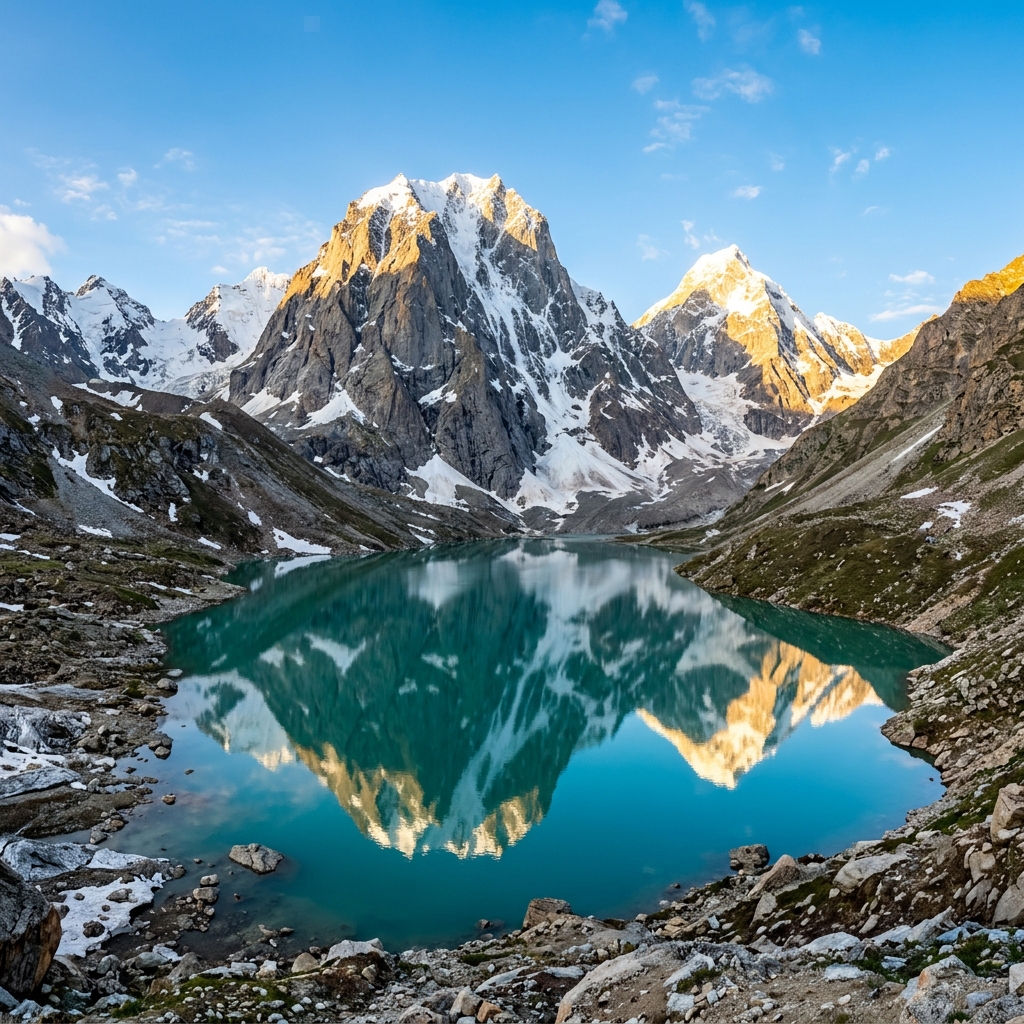
- Snow Landscape: If you want to walk over snow bridges, see ice caves at Gaumukh filled with winter ice, or experience Kedartal framed by snow borders, May and early June are ideal.
- Milder Weather: Daytime temperatures at Gangotri basecamp reach 18°C to 22°C. Even at Tapovan (14,600 ft), sunlit afternoons feel pleasant for campsite relaxation.
- Vibrant River Flow: Rising temperatures cause rapid glacial melt, turning the Bhagirathi and Kedar Ganga rivers into roaring turquoise torrents.
Challenges in May–June:
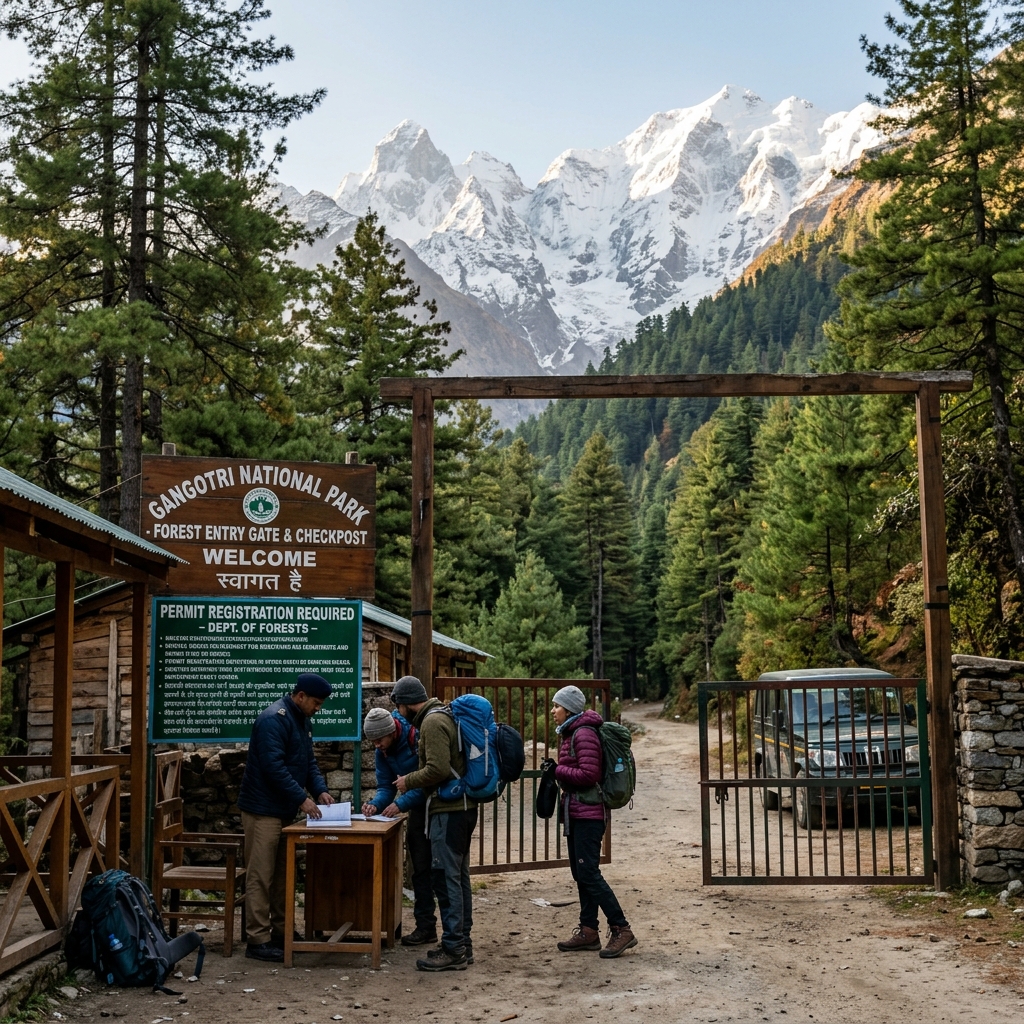
- Permit Shortages: Because Gangotri Dham temple opens in early May for Char Dham Yatra, thousands of pilgrims and trekkers flood the region. The Forest Department's 150 daily permit cap fills up fast.
- Afternoon Haze: By 2:00 PM, rising thermals can bring light cloud cover over high peaks like Mt. Shivling.
4. Post-Monsoon Season (September–October)
Why Trek in Sept–Oct?
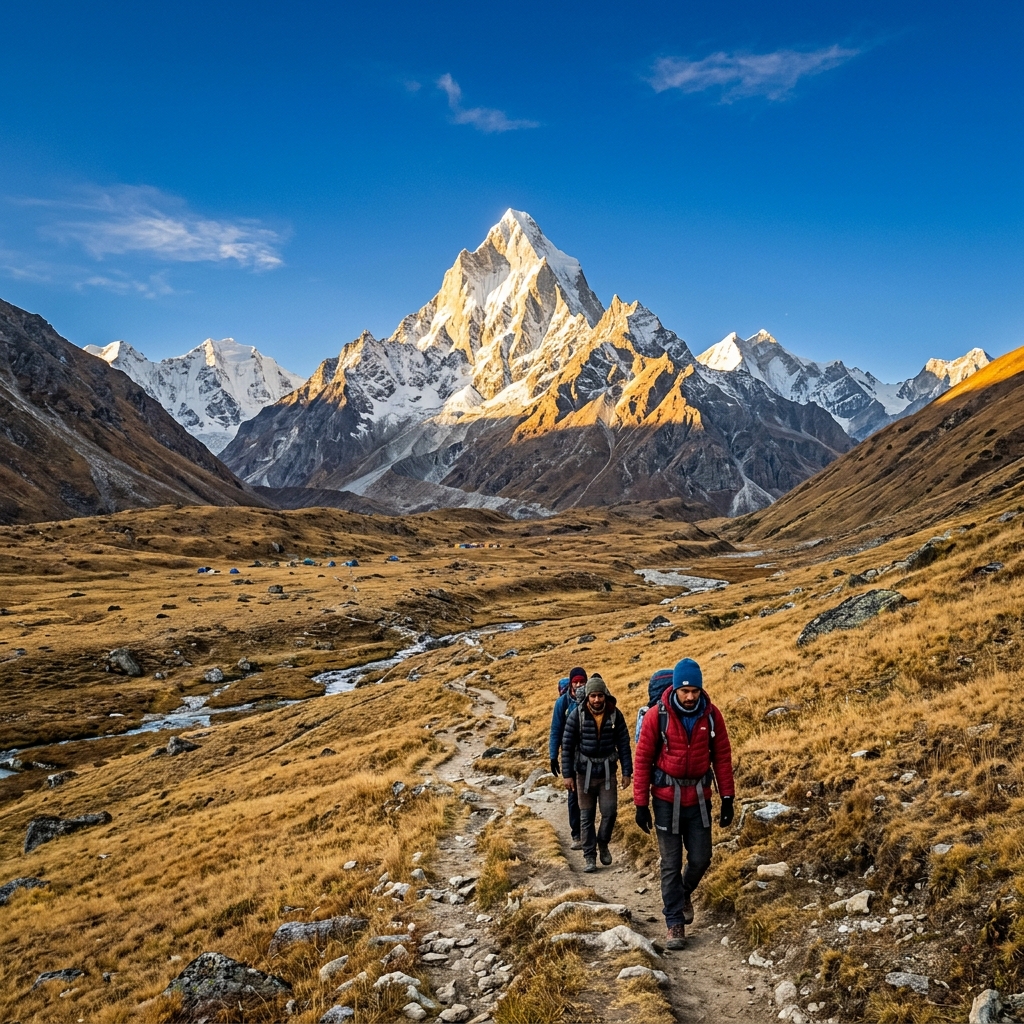
- Unrivaled Atmospheric Clarity: Monsoon rains wash all dust particles from the atmosphere. September and October offer the sharpest, clearest mountain views of the entire year.
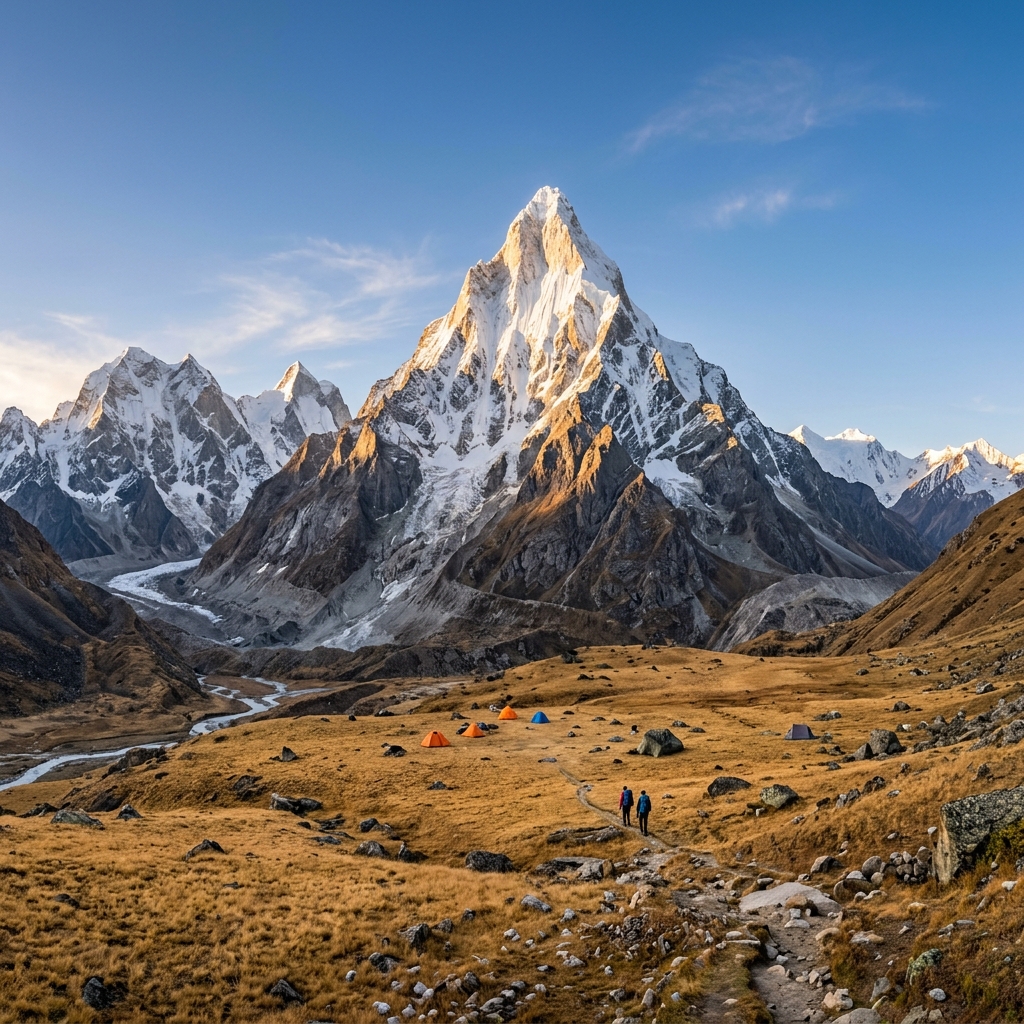
- Golden Autumn Meadows: The high alpine grass at Tapovan, Kedar Kharak, and Bhojbasa turns brilliant shades of gold and bronze under deep blue skies.
- Serene Trails: Pilgrim crowds diminish significantly after August, giving trekkers real wilderness solitude along the trail.
- Astrophotography: Long, crystal-clear nights provide world-class views of the Milky Way galaxy rising behind Mt. Shivling and Thalay Sagar.
Challenges in Sept–Oct:
- Freezing Nights: Nighttime temperatures at Tapovan and Kedartal plummet to -8°C to -12°C by October. Heavy down jackets and -10°C sleeping bags are mandatory.
- Shorter Daylight Hours: Days shorten quickly in October, requiring earlier morning starts (5:00 AM) for high-altitude passes.
5. Monsoon Risks & Why to Avoid July–August
"Trekking inside Gangotri National Park during July and August is strongly discouraged due to life-threatening shooting stones on scree slopes and frequent highway landslides."
Key monsoon hazards in the Bhagirathi valley include:
- Active Shooting Stones: Heavy rains loosen boulders on the steep cliffs between Chirbasa and Bhojbasa, causing frequent rockfall hazard.
- Road Closures: The main Uttarkashi-Gangotri highway near Bhatwari and Gangnani frequently gets blocked by landslips for 24 to 48 hours.
- Glacial Stream Swells: Tributaries like Akash Ganga near Tapovan become impassable torrents during heavy downpours.
6. Monthly Temperature & Trail Chart
| Month | Gangotri (3,100m) Temp | Tapovan (4,460m) Temp | Trail Status & Advisory |
|---|---|---|---|
| May | 12°C / 2°C | 8°C / -3°C | Fully Open. Snow on high passes. Book permits 30 days early. |
| June | 18°C / 6°C | 14°C / 0°C | Peak Season. Warm daytime. High permit competition. |
| July | 20°C / 12°C | 12°C / 4°C | Monsoon. Park trails high risk. Landslides likely. |
| August | 19°C / 11°C | 11°C / 3°C | Heavy Rains. Rockfall risk. Avoid high-altitude treks. |
| September | 15°C / 4°C | 10°C / -4°C | Prime Season. Crisp clear skies. Excellent condition. |
| October | 10°C / -1°C | 5°C / -10°C | Late Autumn. Sub-zero nights. Golden meadows. Stunning views. |
7. FAQs & Local Seasonality Tips
Q1: Which month is best for photographing Mt. Shivling?
Late September to mid-October offers unmatched atmospheric clarity, zero dust haze, and golden meadow foregrounds for landscape and astrophotography.
Q2: When does snow melt at Gaumukh and Tapovan?
Winter snow begins melting rapidly in mid-May. By early June, the trail from Bhojbasa to Gaumukh is completely clear of snow.
Q3: When does Gangotri Dham temple close for winter?
The temple closes officially on the day after Diwali (usually late October or early November), after which heavy winter snowfall closes national park trails.
Whether you prefer May snow bridges or October golden meadows, The Himalayan Trail reserves guaranteed DFO permit slots and provides insulated high-altitude camping for both prime seasons.