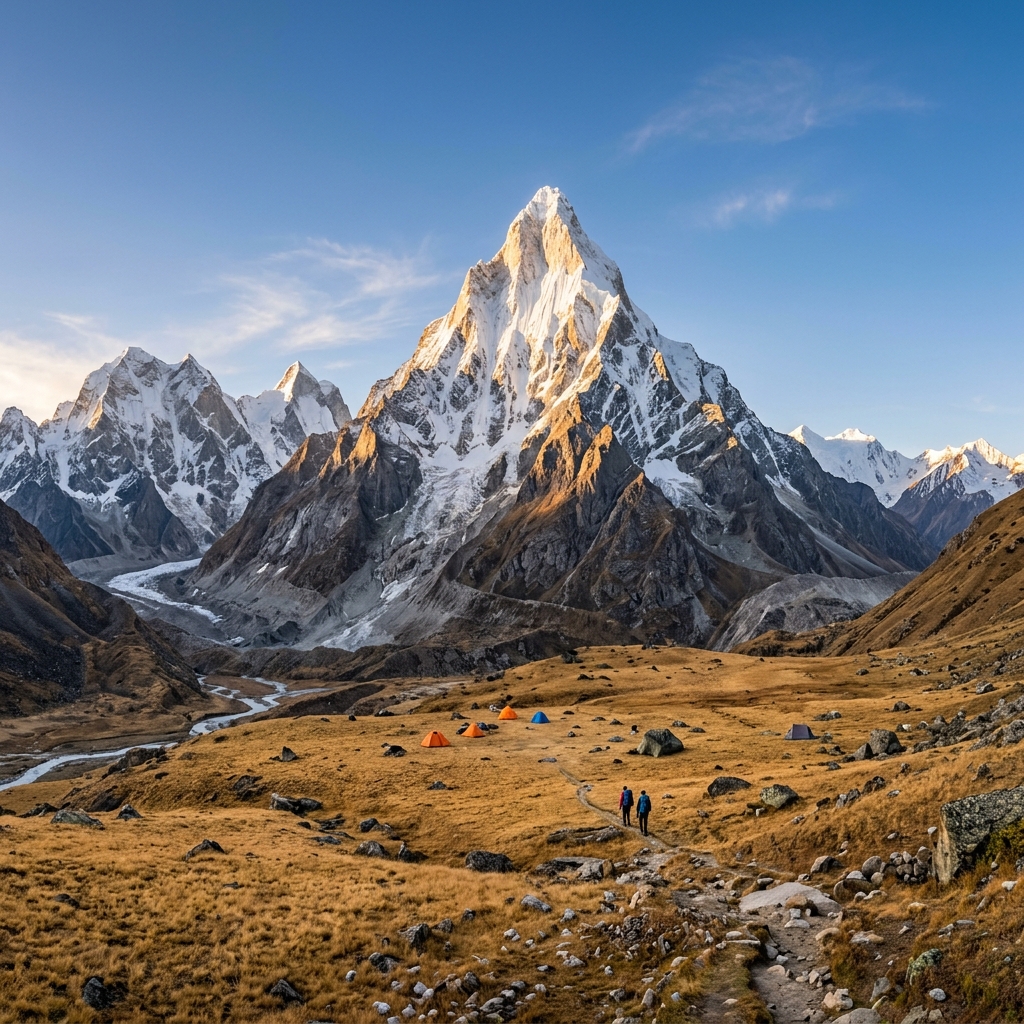
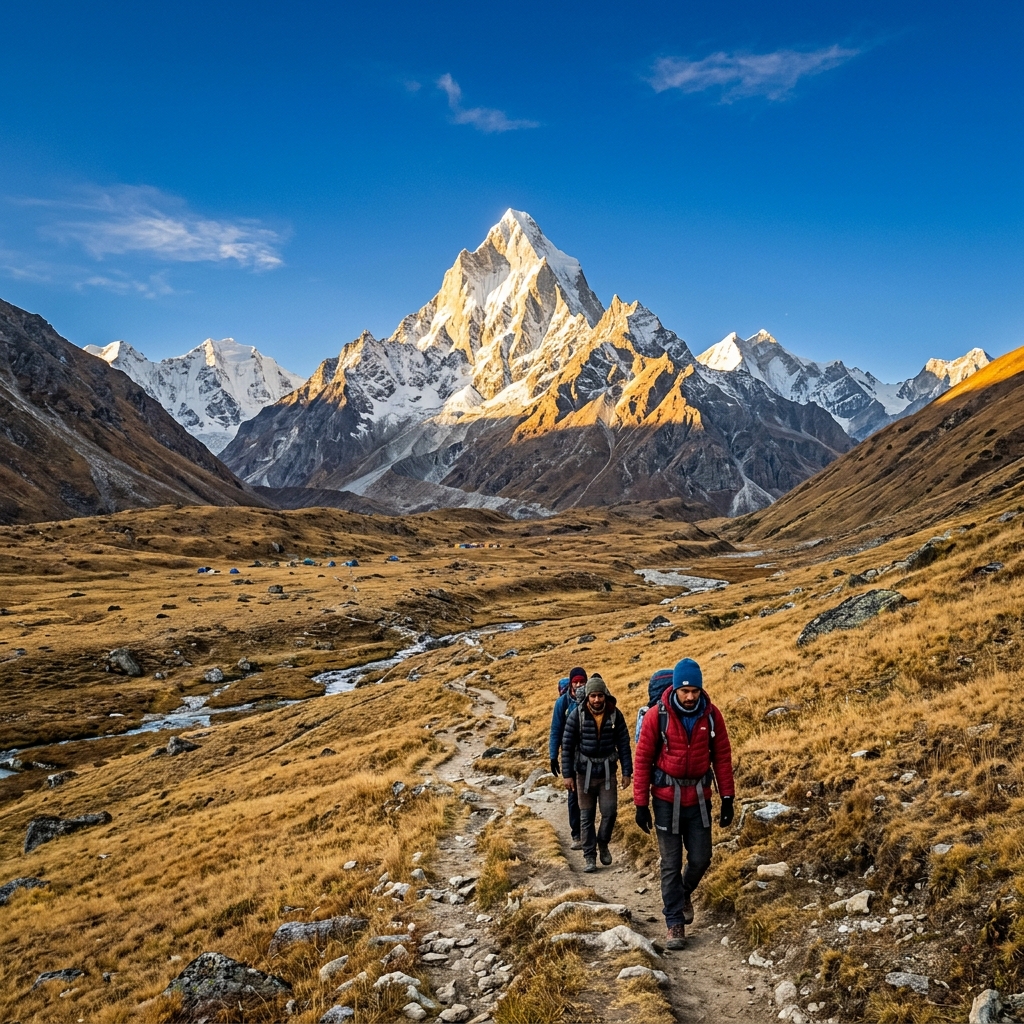
The Bhagirathi River Valley and Gangotri Glacier system are among the most ecologically sensitive alpine ecosystems on Earth. Stretching from Gangotri town to the high-altitude plateaus of Tapovan and Nandanvan, this region supports rare alpine flora like Bhojpatra (silver birch), blue sheep (Bharal), and snow leopards.
However, rising global temperatures combined with heavy human footfall pose severe threats to the retreating glacier and fragile meadows. Responsible trekking is no longer optional — it is a vital duty for every hiker. In this guide, we break down the 7 Leave No Trace (LNT) principles adapted for Himalayan high-altitude trails, zero-plastic waste protocols, and ethical mountain tourism.
1. LNT Principles Summary Table
| LNT Principle | Actionable Mountain Rule | Gangotri Park Compliance |
|---|---|---|
| 1. Plan Ahead & Prepare | Know regulations, 150-permit cap, and emergency plans | Obtain DFO Uttarkashi permit in advance |
| 2. Travel & Camp on Durable Surfaces | Stay on established trails; camp only on designated sites | Camp at Bhojbasa, Tapovan, or Nandanvan only |
| 3. Dispose of Waste Properly | Pack out ALL trash; count plastic wrappers at checkpost | Zero-plastic security deposit compliance |
| 4. Leave What You Find | Do not peel Bhojpatra birch bark or pick alpine flowers | Protect sacred trees and rock structures |
| 5. Minimize Campfire Impacts | Wood campfires are strictly banned in national park | Use LPG / Kerosene stoves only |
| 6. Respect Wildlife | Observe animals from distance; never feed wildlife | Maintain 50m distance from Bharal (Blue Sheep) |
| 7. Be Considerate of Others | Keep noise low; respect meditating ascetics at Tapovan | Maintain quiet near sadhu stone huts |
2. The Fragile Bhagirathi Ecosystem
The Gangotri Glacier — a 30-kilometer ice giant — has been retreating at an average rate of 15 to 20 meters per year over recent decades due to climate change. Non-biodegradable waste left behind by trekkers (such as plastic bottles, candy wrappers, and battery cells) remains trapped in glacial ice for centuries, polluting the source of the River Ganga.
"Take only memories, leave only footprints. The snows of Gaumukh feed millions downstream; keeping it pristine is our collective responsibility."
3. The 7 LNT Principles in High Altitude
1. Pack Out Every Single Item You Pack In
Every piece of waste — from wet wipes and chocolate wrappers to empty energy gel packets — must be carried back in your rucksack to Gangotri town. Organic food waste like banana peels and orange rinds takes up to 2 years to decompose at 14,000 feet due to low micro-organism activity.
2. Human Waste & Bio-Toilet Etiquette
At designated campsites (Bhojbasa and Tapovan), always use dry-pit toilet tents set up by your trek operator. Dry pit toilets use saw-dust or soil to accelerate decomposition without polluting groundwater. Never defecate within 100 meters of water streams like the Bhagirathi or Akash Ganga.
3. Strict No-Campfire Policy
Burning wood is strictly illegal inside Gangotri National Park. Cutting birch branches damages endangered Bhojpatra trees. All cooking and heating must be done using portable LPG gas or kerosene burners.
4. Zero-Plastic & Bio-Toilet Protocols
Practical steps every trekker can take to eliminate single-use plastics:
- Replace Disposable Water Bottles: Carry two 1-liter reusable aluminum or insulated stainless steel flasks instead of buying single-use plastic bottles.
- Repack Snacks in Fabric Bags: Transfer nuts, dried fruits, and energy bars into reusable silicone or cloth snack pouches before leaving Uttarkashi.
- Eco-Friendly Toiletries: Use bio-degradable organic soap bars and eco-friendly toothpaste tabs; avoid wet wipes containing synthetic plastic fibers.
5. Supporting Local Garhwali Communities
Sustainable tourism is not just about environmental protection — it is also about economic fairness for local mountain communities:
- Hire Local Guides & Porters: Ensure your trek operator employs certified guides and porters from Uttarkashi and Harsil valleys.
- Fair Wages & Equipment: Support operators that provide porters with high-altitude boots, jackets, medical insurance, and proper load limits (max 20 kg per porter).
- Eat & Shop Locally: Buy local Garhwali apples, kidney beans (Rajma from Harsil), and handcrafted woolens in Uttarkashi and Gangotri markets.
6. FAQs & Eco-Trekking Regulations
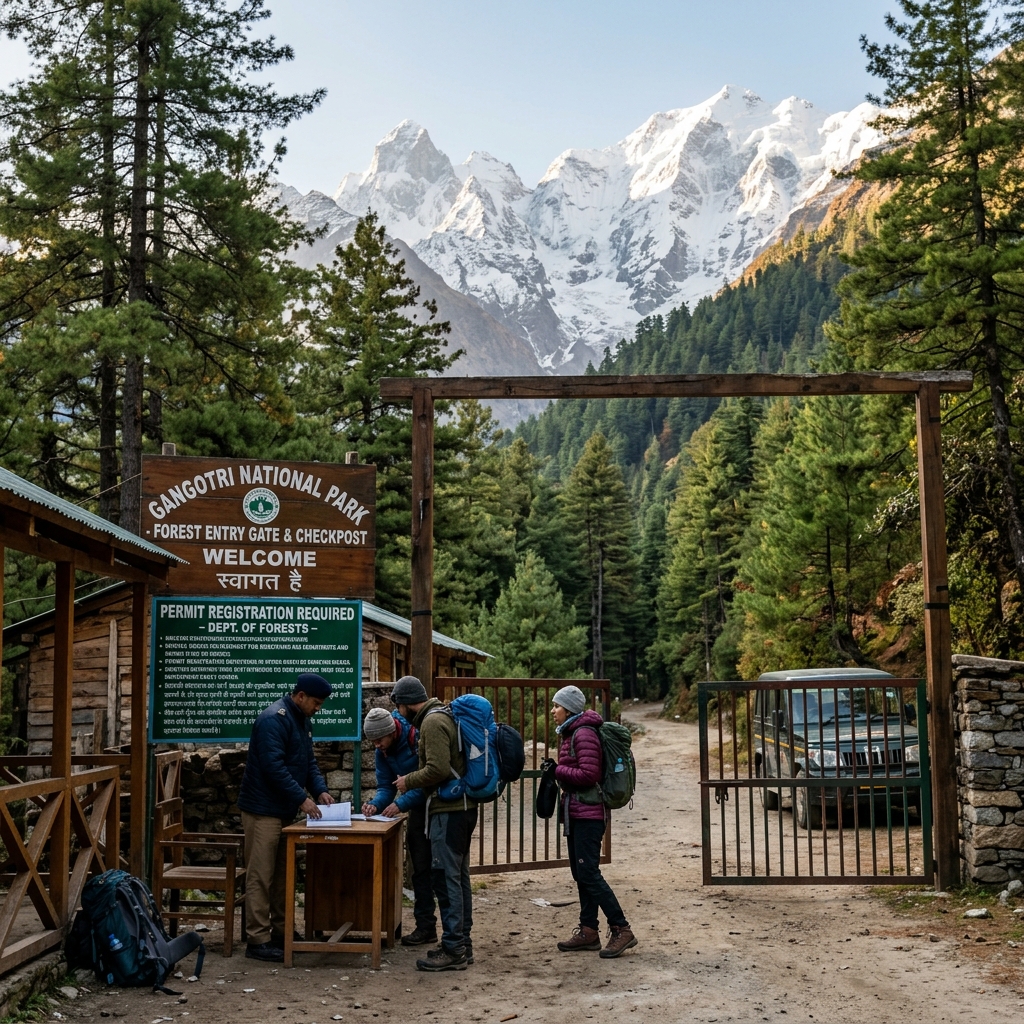
Q1: What is the plastic security deposit fee at Gangotri gate?
Forest guards inventory your plastic snack wrappers and bottles at the entry gate. A deposit of ₹500–₹1,000 is collected and refunded upon returning with the counted wrappers.
Q2: Are plastic water bottles completely banned in Gangotri?
Single-use plastic bottled water is discouraged inside Gangotri National Park. Trekkers are urged to bring reusable metal flasks and use water purification tablets.
We practice strict Leave No Trace principles on all our expeditions. The Himalayan Trail conducts regular trail clean-up drives, provides dry bio-toilets, and employs 100% local Garhwali mountain staff.